Hard water, with its high concentration of mineral particles such as calcium and magnesium, can sometimes present challenges for your skin and hair.
The minerals in hard water can remove some of your skin’s natural oils, which may cause your skin to feel dry or irritated.
Hard water can also raise the pH level of your skin, which may weaken the skin barrier and make it easier for irritants to penetrate. This may contribute to dryness, itching, acne, and other skin concerns.
That said, these effects can vary greatly from person to person and are often mild. It largely depends on your skin type and on the types and amounts of minerals present in your tap water.
For example, some people dislike chlorinated swimming pool water, while others find seawater irritating. Some individuals are simply more sensitive, while others may already have skin conditions such as eczema. Everyone experiences hard water differently, although many people notice at least some of the same effects.
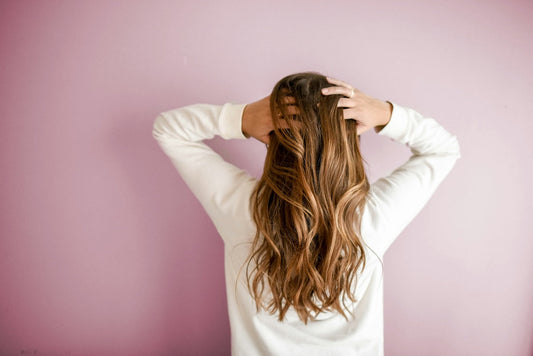
Hard water can also affect your hair. Minerals may accumulate on the hair shaft, which can make hair appear dull, lifeless, and brittle. In some cases, this may lead to split ends or increased hair breakage. However, people living in hard water areas do not all experience these issues, so there is generally no reason for immediate concern.
Is hard water harmful?
What Can You Do About the Effects of Hard Water?
Fortunately, there are several steps you can take to reduce the impact of hard water on your skin and hair.
Use a water softener or water filter
A water filter can remove some minerals from hard water, making it softer. This can be achieved through a filtering shower head, a built-in water softening system, or a magnetic water conditioner. Magnetic systems can help influence how minerals behave in water, which may help reduce buildup on surfaces. This can also help improve the appearance of your hair, as minerals in the water may interact less with your shampoo.
Softer water is generally less harsh on the skin and hair and may help reduce symptoms such as dryness, irritation, or acne.
Use chelate shampoo
Chelating agents are substances that bind to minerals in hard water and help remove them from the hair. These ingredients can be found in many hair and skincare products designed specifically for use in hard water areas.
Choose the right skin and hair care products
Look for products formulated for hard water conditions. These products often contain ingredients that help counteract mineral buildup and improve hydration for both skin and hair.
Take shorter showers and baths
The longer your skin is exposed to hard water, the more likely irritation may occur. Try to keep showers shorter and use lukewarm water instead of hot water.
Moisturize your skin and hair
Apply a moisturizer after showering or bathing to help hydrate your skin. You can also use a leave-in conditioner to keep your hair hydrated and protected from the drying effects of hard water.
Wash your clothes at a lower temperature
Washing clothes at very high temperatures may cause minerals in hard water to deposit onto fabrics, making them feel stiffer and rougher. Washing at lower temperatures may help reduce this effect.
Rinse your hair after swimming
If you swim in a chlorinated pool or in a lake or river with mineral-rich water, rinse your hair with clean water afterwards to remove any minerals or chemicals.

Additional tips for people with eczema and psoriasis :
- Use a mild, soap-free skin cleanser.
- Hydrate your skin regularly with a moisturizer suitable for eczema-prone skin.
- Take shorter showers and baths with lukewarm water.
- Avoid scratching.
- Wear cotton clothing.
- Use a humidifier.
- Talk to your doctor.
Final Thoughs
Hard water can sometimes be challenging for your skin and hair, but there are several practical steps you can take to reduce its effects. By following the tips in this article, you can help keep your skin and hair healthy and comfortable.
Sources: